Scott International Procedures
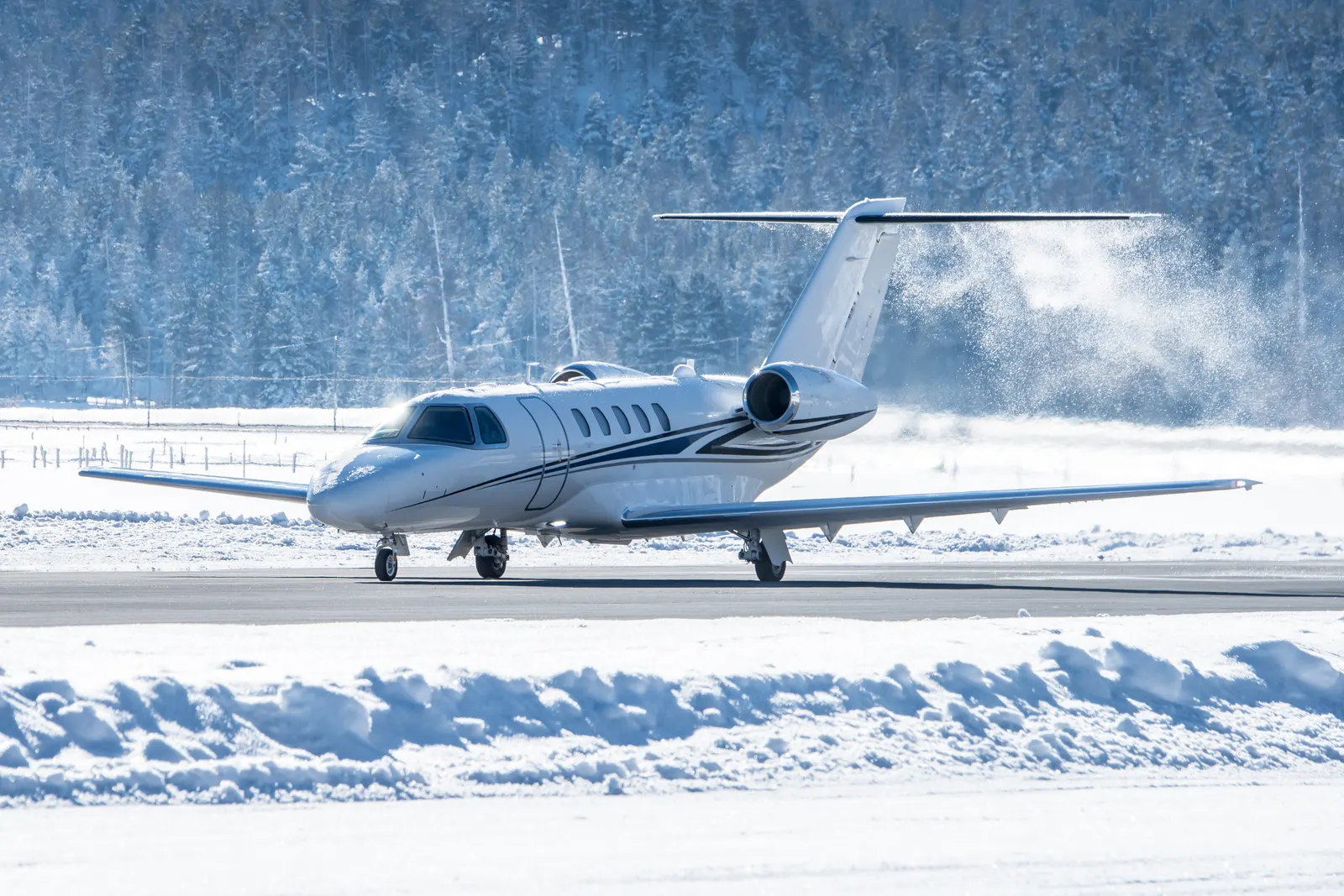
Icing and contaminated movement areas are back. What to review before the first cold-weather departure: aircraft procedures, your de-icing provider, the holdover chart notes, and ice pellets.
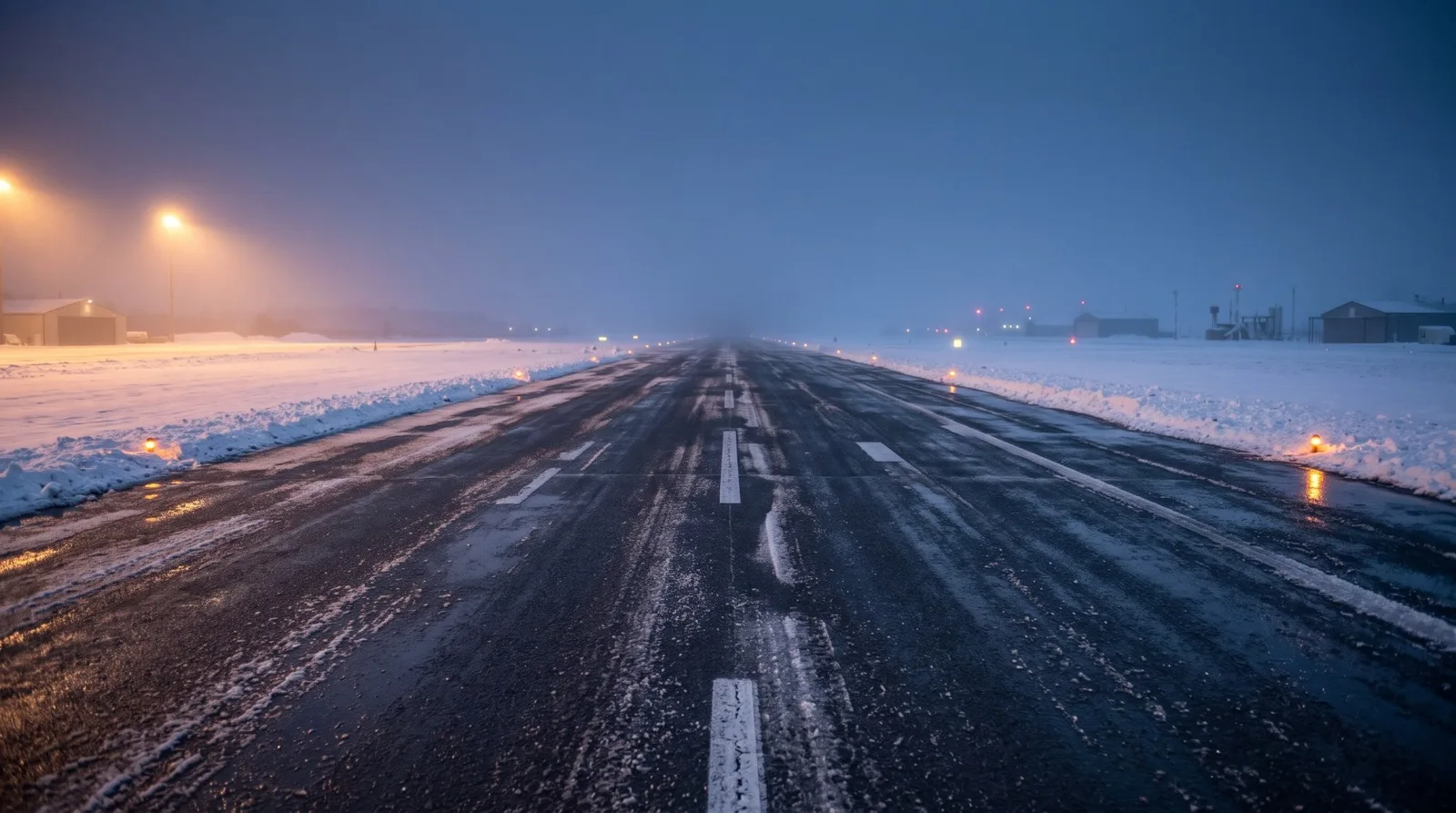
Winter is approaching, and with it comes the hazard of icing and contaminated movement areas. How do we manage the risk? Here is what to review before your first cold-weather departure.
Begin by reviewing the cold-weather procedures specific to your aircraft. Pay particular attention to takeoff and landing performance, as distances can become excessive, braking is diminished, and climb performance is reduced.
De-icing and anti-icing present challenges as well. Even before considering holdover times, determine how qualified the de-icing provider is, what fluids they use, and whether they are approved for your aircraft. FAA Type I HOT guidelines are not approved for use with unheated Type I fluid mixtures. At the time of application of Type I fluid, does the provider know the fluid’s freezing point, and is it sufficiently below the outside air temperature? The fluid-to-water concentration percentage must be known. If you cannot get those answers, seriously consider delaying departure until you do.
Holdover times are only advisory for FAR Part 91 operators and do not constitute an authorization. Approved deicing programs are required only under Parts 121, 125 and 135. On all holdover charts, the times in the matrix may not give you the complete picture. Read the notes on fluid type and follow them. For example, moderate snow mixed with rain may show a holdover time, but according to the notes, at certain temperatures no holdover time exists, and you should not depart.
You may also need to refer to multiple charts to get the complete picture. There are charts that revise holdover times for aircraft configuration. There is a separate table to determine the intensity of snowfall according to visibility and whether it is day or night.
Other things to consider:
The FAA does not approve takeoff in conditions of moderate or heavy freezing rain, heavy ice pellets, or hail. Due to their physical characteristics, ice pellets tend to become partially embedded in fluids and can take longer to melt compared to snow or other forms of precipitation. For this reason, the visual indicators conventionally used in developing HOTs cannot be applied to ice pellets.
Tests show that ice pellets generally stay frozen when embedded in Type III and IV fluid instead of dissolving like other precipitation. Embedded pellets mean the fluid has failed, and you generally cannot see them during a pre-takeoff contamination check. So, a visual pre-takeoff contamination check in ice pellet conditions may not be of value and should not be approved.
Latest Change: 2026-27 METAR codes FZDZPL and DZPL have been reassigned from “Light Ice Pellets mixed with Drizzle or Freezing Drizzle” to “Moderate Ice Pellets mixed with Drizzle or Freezing Drizzle.” If you see either code in a METAR, read it as moderate ice pellets with drizzle, not light. The codes +FZDZPL and +DZPL have been removed.
Proper preparation for winter flying requires diligence. In addition to the cold weather section of your AFM, go to the FAA Aircraft Ground Deicing website for the current holdover tables (the 2026-27 edition is posted) and information on how to correctly determine holdover times.
REFERENCED REGULATIONS
FAA AC 91-70B
NAT Doc 007 Ver 2026.1
ICAO Doc 4444 PANS-ATM
ICAO Annex 11
NAT OPS Bulletin 2025-3
FAA Holdover Time Guidelines, Winter 2026-2027 14 CFR Part 91 14 CFR Parts 121, 125 and 135
AUTHOR
The Scott IPC instructor team: retired corporate chief pilots, FAA procedures and safety personnel, and former military aviators who teach international procedures.
STAY CURRENT
Regulatory changes, procedure updates, and instructor insights. About one email a month. No marketing fluff.
you@flightdepartment.com
SubscribeWe don't share email addresses. Unsubscribe at any time.