Update to the previous Gander OCR Procedure update.

Gander (CDQX) FIR Domestic ATC will issue oceanic route clearances and amendments via VHF voice communications instead of CPDLC loadable Route Clearance uplink messaging before an aircraft reaches its Oceanic Entry Point (OEP). This is expected to continue through May 31, 2026, according to AIP Canada Supplement 130/25. Refer to NOTAMS and other relevant documents for updates.

Other OCR procedures, including Oceanic flight planning, RCL submission requirements and timing, and CPDLC route conformance monitoring, will continue unchanged. Route changes issued to aircraft after passing the OEP will continue to be issued via CPDLC or HF communications.

For voice RCL requests or issues with an RCL rejection message, pilots should contact ATC on the assigned (current) control frequency.

Source: AIP Canada Supplement 130/25

It’s that time of year again—the winter season is right around the corner, and it has been a while since we reviewed winter and cold-weather procedures. It's time to get out the AFM and Operations Manuals and review procedures for the aircraft we fly. International flying adds challenges to be considered.

Be familiar with the types of de-ice and anti-ice fluids acceptable for your aircraft. When planning your trip, take the time to ensure that your destination has acceptable fluids and that the processes used are compatible with your aircraft. Work with your handler to ensure arrangements to include charges for de-icing are set up in a timely manner. Be aware of how de-icing procedures may affect A-CDM timings and update your passengers on any related departure delays.

As another reminder, review when and how to calculate cold temperature altitude corrections.

Finally, take the time to check NOTAMs and other official documents for requirements. For example, Frankfurt Main (EDDF) has a restriction on deactivating Broadband/Microwave functions of  SATCOM systems, such as internet or television. See the included NOTAM. Take the time to be prepared for safe winter operations.


Mexico has significantly revised the submission of APIS documentation, as of September 17th. It is now a two-step process that applies to all private and charter flights:

  1. First Submission – Must be made within two hours before departure and applies to both inbound and outbound flights.
  2. Second Submission – Confirmation of passengers on board, which must be sent after the aircraft doors close and before takeoff.

There are three ways to submit:

  1. ARINC Portal – The only authorized vendor for submitting manifests. You must have an account. Advantage: you get an immediate response indicating acceptance, rejection, or errors.
  2. Email – Send a completed Excel spreadsheet to This email address is being protected from spambots. You need JavaScript enabled to view it.. Strict formatting rules apply, including limits on Excel versions. This method appears limited to 4 trips per year. This is forwarded to ARINC, and you will not receive confirmation of acceptance, rejection, or errors.
  3. Third-Party Service Provider – Several providers can process submissions on your behalf. They will either submit through ARINC with their account or via email as described above.

Important: Submission errors can result in substantial fines. Refer to your service provider and official guidance to ensure compliance with the rules.

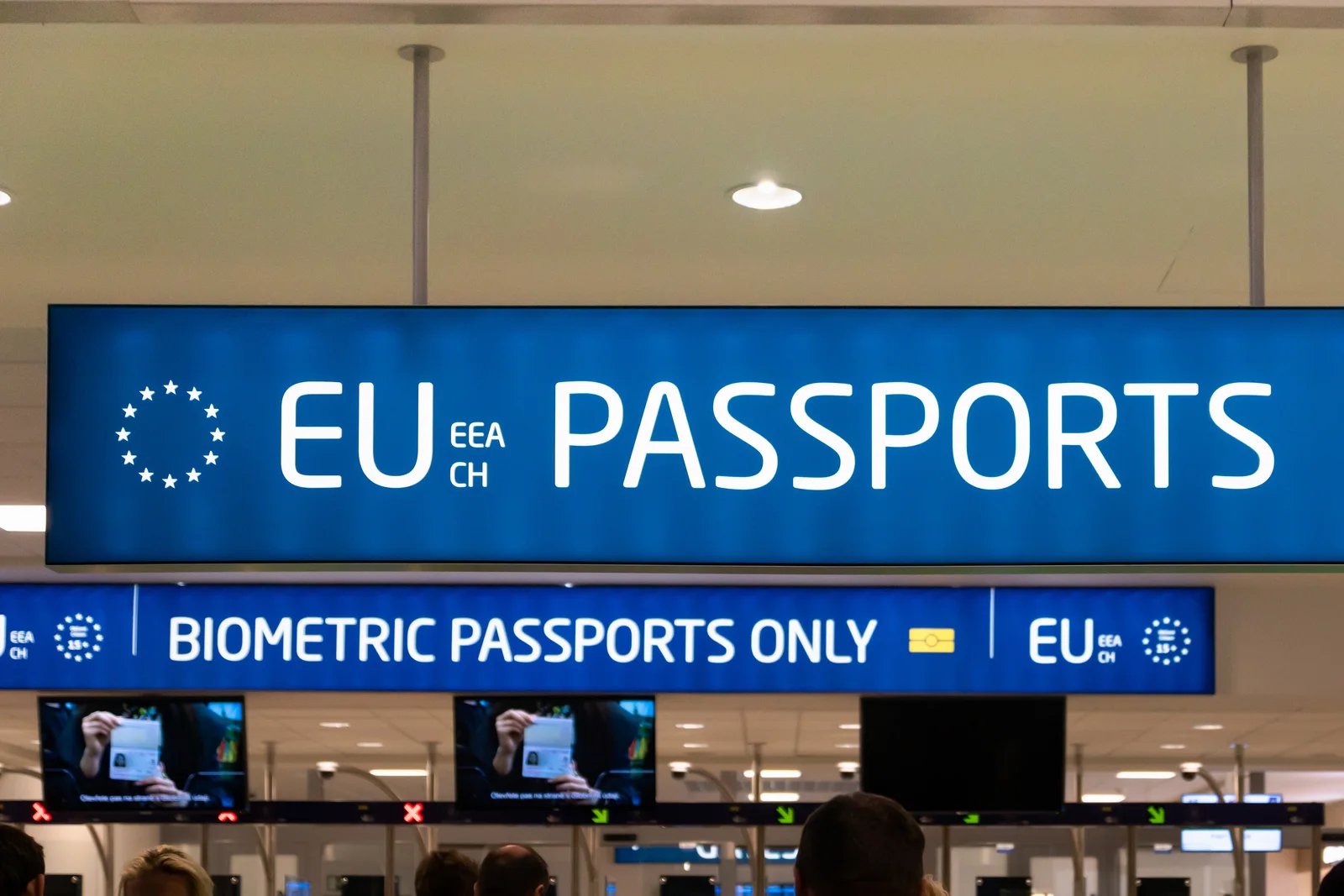
The European Union has announced the start date for implementing the Entry/Exit System. The new Entry/Exit System (EES) will start operations on 12 October 2025. European countries using the EES will introduce the system gradually at their external borders. This means that data collection will be gradually introduced at border crossing points with full implementation by 10 April 2026. Refer to their website for details.

https://travel-europe.europa.eu/en/ees